
Replace the Blower Motor or Buy a New Furnace: How to Decide
When your furnace stops moving air properly, starts making unusual noises, or shuts down unexpectedly, the blower motor is often part of the problem. Once a technician mentions blower motor failure, many homeowners immediately face a difficult decision.
Do you replace the blower motor and keep the furnace running, or is it smarter to invest in a brand new system?
This decision is rarely straightforward. A blower motor replacement can feel expensive on its own, but replacing the entire furnace is a much bigger commitment.
The right choice depends on your furnace’s age, repair costs, efficiency, and how reliable the system has been overall. Looking at these factors together can save you from paying for a temporary fix that only delays a bigger decision.
In this blog, we will walk you through what actually matters so you can decide with confidence before spending another dollar. Read on.
Key Takeaways
- Blower motor replacement makes sense when the furnace is newer and otherwise reliable.
- Older furnaces often cost more to maintain after major component failures begin.
- Replacing a blower motor restores airflow but does not improve overall furnace efficiency.
- New furnaces offer better efficiency, warranties, and lower risk of unexpected breakdowns.
- A full system evaluation helps avoid spending money on repairs that delay replacement.
Should You Replace the Blower Motor or Buy a New Furnace?
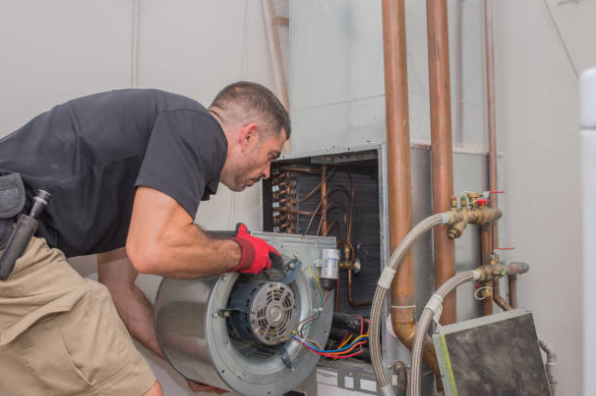
You should replace the blower motor if your furnace is relatively new and in good condition, but buying a new furnace makes more sense when the system is older, inefficient, or experiencing multiple failures.
There is no single fix that works for every home. In newer furnaces, a blower motor replacement can restore airflow and extend system life at a reasonable cost. In older systems, the same repair may only delay a larger and more expensive breakdown.
A blower motor replacement fixes airflow, not the condition of the entire furnace. If other components are already nearing the end of their lifespan, replacing one part can lead to repeated repairs. Looking at the full system rather than just the immediate issue helps you decide whether you are making a smart repair or postponing a necessary replacement.
What the Blower Motor Does in Your Furnace
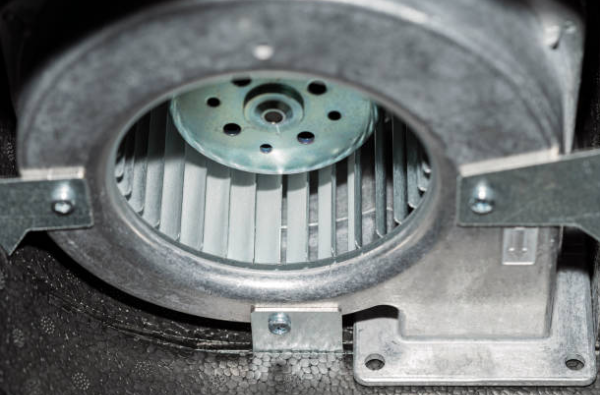
The blower motor is responsible for pushing heated air through the ductwork and into your living spaces. Even if the furnace is producing heat, your home will not warm up properly without a functioning blower motor.
When the blower motor runs correctly, it supports even temperatures, steady airflow, and safe furnace operation. When it starts to fail, airflow drops, hot spots develop inside the furnace, and safety sensors may shut the system down. This is why blower motor issues often appear as comfort problems before turning into complete system failure.
4 Signs Your Blower Motor Is Failing
Blower motor failure usually comes with warning signs that should not be ignored. Here are some:
1. Weak or No Airflow from Vents
If your furnace turns on but little air comes out of the vents, the blower motor may be struggling. Poor airflow forces the system to run longer and makes it harder to heat the home evenly.
2. Loud Humming, Grinding, or Screeching Noises
Unusual noises often indicate worn bearings, electrical strain, or internal motor damage. A blower motor that hums or grinds is usually nearing the end of its useful life.
3. Furnace Overheating or Shutting Off
Restricted airflow causes heat to build up inside the furnace. When this happens, safety switches shut the system down to prevent damage, leading to frequent cycling or short run times.
4. Rising Energy Bills
As a blower motor weakens, it draws more electricity to keep running. Over time, this inefficiency shows up as higher energy bills without improved comfort.
How Much Does It Cost to Replace a Blower Motor?
Blower motor replacement costs depend on the type of motor, furnace model, and labor required. In most homes, the total cost typically falls between $600 and $1,500.
Standard PSC motors are usually less expensive, while ECM motors cost more due to their efficiency and electronic controls. Labor costs also vary based on accessibility and system complexity. While this is a significant furnace repair, it is still much less expensive than replacing the entire furnace. The challenge is determining whether that money is being put into a system worth keeping.
How Old Is Your Furnace and Why It Matters
Furnace age is one of the most important factors in this decision.
Furnaces under 10 years old usually have plenty of life left. If the system has been reliable and efficient, replacing the blower motor is often a reasonable investment.
Between 10 and 15 years, the decision becomes more balanced. A blower motor replacement may restore operation, but other components may begin to fail in the coming years.
Furnaces over 15 years old are typically less efficient and more prone to breakdowns. At this stage, replacing the blower motor may only postpone the inevitable and result in higher long term costs.
When Replacing the Blower Motor Makes Sense
Blower motor replacement is often the right choice when the furnace is otherwise in good condition.
This option makes sense if the system is relatively new, has no history of major repairs, and the cost of the motor replacement is reasonable compared to the value of the furnace. It is also a practical choice when the furnace has been providing consistent comfort and energy bills have remained stable.
In these situations, replacing the blower motor can restore normal operation and extend the life of the system without unnecessary expense.
When Buying a New Furnace Is the Smarter Choice
Buying a new furnace becomes the better option when the system shows signs of overall decline. If the blower motor repair is expensive and the furnace has already needed multiple repairs, replacement often provides better long term value.
New furnaces offer improved efficiency, quieter operation, and greater reliability. They also reduce the risk of unexpected breakdowns during cold weather and come with manufacturer warranties that protect your investment.
Blower Motor Replacement vs New Furnace Cost Comparison
At this point, comparing both options side by side helps clarify the decision beyond just upfront cost.
Comparison factor | Replace blower motor | Buy a new furnace |
Typical cost range | $600 to $1,500 depending on motor type and labor | $4,000 to $8,000 or more depending on system size and efficiency |
Furnace age impact | Best for furnaces under 10 years old | Better for furnaces 15 years or older |
Energy efficiency improvement | Minimal beyond restoring airflow | Significant improvement with modern systems |
Expected lifespan after work | Limited by remaining furnace life | 15 to 20 years with proper maintenance |
Risk of future repairs | Higher as other components continue aging | Lower due to new parts and warranties |
Comfort reliability | Restores airflow only | Improved comfort and consistent heating |
Warranty coverage | Limited to the new motor | Full manufacturer and installation warranty |
Replacing the blower motor is usually the least expensive short term option, but it does not reset the age of the furnace. Other components may still fail as the system continues to age. A new furnace costs more upfront but often delivers better efficiency, reliability, and peace of mind over time.
Energy Efficiency and Long Term Value
Replacing a blower motor restores proper airflow but does not significantly improve the furnace’s efficiency rating. Energy savings are usually minimal unless the old motor was severely degraded.
A new furnace, however, can lower heating costs by operating more efficiently and distributing heat more evenly. Over several years, these savings can help offset the higher initial investment. Long term value also includes fewer repairs, more stable comfort, and less stress during peak heating season.
When to Call an HVAC Professional
Before deciding on repair or replacement, professional evaluation is essential. Blower motor symptoms can sometimes be caused by electrical issues, control problems, or airflow restrictions that change the scope of the repair.
If your furnace is experiencing blower motor issues, contact us at Warren Mechanical for a full system evaluation. A professional assessment considers system age, repair costs, efficiency, and overall reliability so you can make the right decision with confidence.
Final Thoughts:
Deciding whether to replace a blower motor or buy a new furnace comes down to balancing cost, system age, and long term reliability. In newer furnaces, blower motor replacement can be a smart and economical solution.
In older systems, replacement often provides better comfort, efficiency, and peace of mind. If you are unsure which option makes sense for your home, contact us at Warren Mechanical for an honest assessment and guidance tailored to your heating needs.
Frequently Asked Questions
Can a furnace run without a working blower motor?
No, a furnace cannot heat your home properly without a functioning blower motor. The system may produce heat, but without airflow, warm air cannot circulate, and safety controls will usually shut the furnace down to prevent overheating.
How long does a blower motor replacement take?
Most blower motor replacements take two to four hours, depending on furnace design and accessibility. More complex systems or electronically controlled motors may take longer, especially if additional testing or adjustments are required.
Will replacing the blower motor improve my energy efficiency?
Replacing a blower motor mainly restores airflow and proper operation. It does not significantly improve the furnace’s efficiency rating. Any energy savings are usually limited unless the old motor was severely worn or malfunctioning.
Is it safe to keep running a furnace with a failing blower motor?
Running a furnace with a failing blower motor is not recommended. Continued operation can cause overheating, repeated shutdowns, or damage to other components, which often leads to more expensive repairs or complete system failure.
How do I know if replacement is better than repair?
Replacement is usually the better option when the furnace is over fifteen years old, has a history of repairs, or when the blower motor repair cost is high. Contact us at Warren Mechanical for an evaluation to determine the most practical option.