
Heat Pump vs Mini Split: Which HVAC System Is Right for Your Home?
Choosing a new heating and cooling system often comes with more questions than clear answers.
Heat pumps and mini split systems are two of the most talked about options right now, especially for homeowners looking for better efficiency and comfort. On the surface, they can seem similar, which adds to the confusion.
Both provide heating and cooling, both are energy efficient, and both can replace traditional systems in many homes. The real difference comes down to how they are installed, how they deliver comfort, and what type of home they work best in.
Understanding these details helps you make a decision that fits your home, your layout, and how you actually live in the space.
Stick around until the end of this blog for all the information you need.
Key Takeaways
- Heat pumps provide whole home heating and cooling using ductwork for consistent, centralized comfort.
- Mini split systems offer ductless zoning, allowing independent temperature control in specific rooms or areas.
- Energy efficiency depends on home layout, duct condition, and how evenly heating or cooling is needed.
- Installation costs vary based on system size, zoning needs, and existing infrastructure within the home.
- Professional evaluation helps ensure the system chosen delivers long term comfort, efficiency, and reliability.
Heat Pump vs Mini Split: What Is the Difference?
A heat pump typically refers to a ducted system that uses your home’s existing ductwork to distribute heated or cooled air. A mini split is a type of heat pump, but it delivers air directly into individual rooms without using ducts.
Heat pumps and mini split systems are often compared because they rely on similar technology, but they are not the same setup.
This difference matters because ductwork plays a big role in how air moves through your home. Ducted heat pumps condition the entire house at once, while mini splits focus on specific zones or rooms.
Homeowners often compare these systems when replacing aging HVAC equipment, upgrading for efficiency, or trying to solve comfort issues like uneven temperatures.
How Heat Pump Systems Work
A traditional heat pump system works by transferring heat rather than generating it. In cooling mode, it moves heat from inside your home to the outside. In heating mode, it pulls heat from the outdoor air and brings it inside. Even in colder weather, there is still heat available for the system to move.
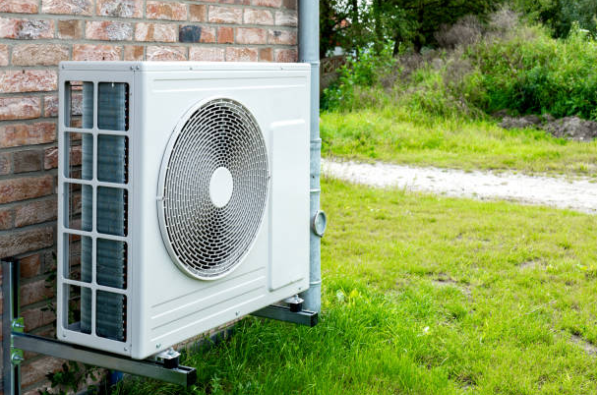
Heat pumps rely on ductwork to distribute conditioned air throughout the home. An outdoor unit works with an indoor air handler, pushing air through supply and return ducts.
This setup makes heat pumps a strong option for homes that already have ducts in good condition. Because one system handles the entire home, temperatures are generally consistent across rooms when the ductwork is properly designed and sealed.
How Mini Split Systems Work
Mini split systems also move heat rather than create it, but they do so without ductwork. A mini split consists of an outdoor unit connected to one or more indoor air handlers. Each indoor unit serves a specific room or zone and delivers air directly into that space.
This zoned approach allows you to control temperatures independently in different areas of the home. A bedroom can be cooler at night while a living space stays warmer.
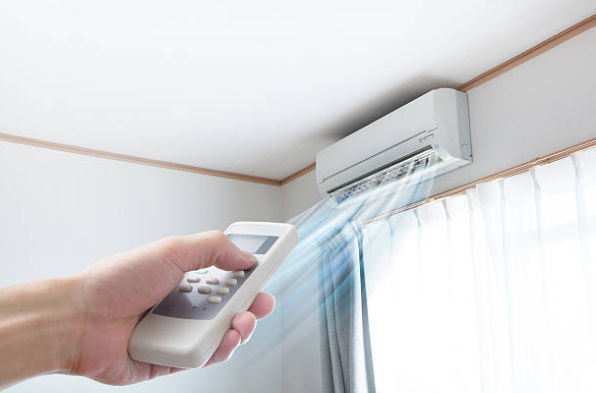
Mini splits are often used in older homes without ductwork, home additions, garages, or spaces that never seem comfortable with a central system. Because there are no ducts, energy losses associated with duct leakage are eliminated.
Heat Pump vs Mini Split Comparison Table
The table below provides a clear side by side look at how heat pumps and mini split systems compare in real world residential use.
Feature | Heat Pump System | Mini Split System |
System type | Ducted central system | Ductless zoned system |
Installation setup | Outdoor unit with indoor air handler | Outdoor unit with one or more indoor units |
Ductwork required | Yes | No |
Zoning capability | Limited without modifications | Built in room by room control |
Energy efficiency | High when ducts are sealed properly | Very high due to ductless design |
Upfront cost range | Moderate depending on duct condition | Varies based on number of indoor units |
Best use cases | Whole home heating and cooling | Targeted comfort or specific zones |
Ideal home types | Homes with existing ductwork | Older homes, additions, remodels |
Maintenance needs | Filter changes and duct upkeep | Filter cleaning per indoor unit |
Energy Efficiency and Operating Costs
Both heat pumps and mini splits are known for strong energy efficiency, but how they perform depends on how they are used. Heat pumps can be very efficient in homes with sealed and well designed ductwork.
When ducts are leaking or poorly insulated, energy losses can increase operating costs.
Mini splits avoid duct losses entirely, which gives them an efficiency advantage in many situations. Zoning also plays a role. Because mini splits allow you to condition only the spaces you are using, energy use can be lower compared to heating or cooling the entire home at once.
Over time, these efficiency differences can affect monthly utility costs, especially in homes with varying comfort needs.
Installation Requirements and Home Compatibility
The layout and construction of your home often determine which system makes more sense. Heat pumps work best in homes that already have ductwork in good condition.
Reusing existing ducts can simplify installation and keep costs more predictable.
Mini splits are ideal for homes without ducts or for areas where adding ducts would be difficult or disruptive.
They are commonly installed in home additions, finished basements, older houses, and spaces that never seem to match the rest of the home’s temperature. Installation usually involves mounting indoor units and running refrigerant lines through walls, which is less invasive than installing new ductwork.
Comfort, Zoning, and Temperature Control
Comfort is one of the biggest deciding factors for homeowners. Heat pumps provide consistent whole home comfort when the system is properly sized and installed. All rooms receive conditioned air at the same time, which works well for households with similar comfort preferences.
Mini splits shine when comfort needs vary from room to room. Each indoor unit has its own control, allowing you to adjust temperatures individually. This is especially useful in homes where certain rooms run hotter or colder than others. Zoning can also improve comfort during different times of day without adjusting the entire house.
Upfront Costs and Long Term Value
Upfront costs for heat pumps and mini split systems vary widely based on installation complexity, the number of zones you need, and whether ductwork is already in place.
A ducted heat pump system, which uses existing ducts, typically costs about $7,500 to $12,500 for a complete installation. If new ductwork is required or major repairs are needed, total installed costs can rise to $10,000 to over $18,000.
Mini split systems are usually priced by zone because each indoor unit serves a separate area. A single-zone mini split often costs $3,000 to $6,000 installed, while a multi-zone system with several indoor heads can reach $7,000 to $15,000 or more depending on how many rooms are being conditioned.
Long-term value is not just about the initial price tag. Both systems use heat pump technology, which is inherently efficient and often leads to lower monthly energy costs compared to older furnaces or window air conditioners.
Over time, these lower operating costs can help offset the upfront investment. Additionally, maintenance needs and system lifespan matter. Properly installed and maintained heat pumps and mini splits can last a decade or more with routine filter changes and annual checkups, which helps protect your investment.
Choosing the system that fits your home and comfort needs reduces wear on the equipment, helps avoid premature replacements, and improves satisfaction with your indoor environment.
If you’re weighing costs and value, consider both the initial installation range and the long-term energy savings and comfort benefits each system can deliver when sized and installed correctly.
Pros and Cons of Heat Pumps
Heat pumps are a popular choice for homeowners who want a single system to handle heating and cooling efficiently. When installed and maintained properly, they deliver reliable comfort across the entire home.
Pros of heat pumps
- Provide whole home heating and cooling through one integrated system, making them ideal for households that want consistent temperatures throughout all rooms
- Use electricity to move heat rather than generate it, which improves energy efficiency and reduces overall energy waste
- Work well with existing ductwork, allowing many homes to upgrade without major structural changes
- Offer predictable performance and familiar operation for homeowners accustomed to traditional central HVAC systems
- Can reduce reliance on fossil fuels, supporting cleaner and more environmentally responsible home comfort
Cons of heat pumps
- Depend heavily on ductwork condition, meaning leaks, poor insulation, or bad design can lower efficiency and comfort
- Deliver limited zoning unless additional controls or dampers are installed, which can increase system complexity
- May struggle to maintain consistent comfort in homes with uneven airflow or poorly balanced duct systems
Installation costs can rise if duct repairs or upgrades are needed before the system can operate efficiently - This balance of strengths and limitations makes heat pumps a strong option for many homes, but not always the best fit for every layout or comfort need.
Pros and Cons of Mini Split Systems
Mini split systems are known for their flexibility and ability to solve comfort problems that traditional HVAC systems often cannot. They work especially well in homes where zoning and targeted control matter.
Pros of mini split systems
- Offer built in zoning, allowing you to control temperatures in individual rooms or areas independently
- Operate without ductwork, eliminating energy losses caused by leaking or poorly insulated ducts
- Perform well in older homes, home additions, garages, and spaces that are difficult to condition
- Provide strong energy efficiency by delivering heating and cooling only where it is needed
- Allow flexible installation options that adapt to different layouts and comfort priorities
Cons of mini split systems
- Require visible indoor units in each conditioned space, which may not suit every interior design preference
- Upfront costs increase as more indoor units are added to serve additional rooms or zones
- Installation quality and unit placement play a major role in comfort, making professional design important
- May not feel as seamless for whole home conditioning compared to a single central system
This combination of benefits and tradeoffs makes mini splits an excellent solution for targeted comfort, while still requiring thoughtful planning to achieve the best results.
Which System Is Better for Your Home?
The right choice depends on your home’s layout and your comfort goals. Homes with existing ductwork and a need for consistent whole home comfort often benefit from a heat pump. Homes with temperature imbalances, additions, or no ducts at all may be better suited for a mini split system.
Your daily habits also matter. If you spend most of your time in a few rooms, zoning may offer more value. If your household uses the entire home evenly, a central system may feel more natural. Evaluating these factors helps avoid overspending on features you may not need.
Final Thoughts:
Heat pumps and mini split systems both offer efficient and reliable heating and cooling, but they are designed for different types of homes and comfort needs. Heat pumps are well suited for whole home comfort in houses with ductwork, while mini splits excel at zoning and targeted temperature control.
The best choice depends on your home’s structure, how you use each space, and the level of control you want.
If you are unsure which option makes the most sense for your situation, contact us at Warren Mechanical to discuss your home and explore a solution that delivers lasting comfort and efficiency.
Frequently Asked Questions
Is a mini split the same thing as a heat pump?
A mini split is a type of heat pump, but it delivers heating and cooling without ductwork. Traditional heat pumps usually rely on ducts to condition the entire home, while mini splits provide zoned comfort to individual rooms or areas.
Which is more energy efficient, a heat pump or a mini split?
Both systems are energy efficient, but mini splits often have an advantage because they avoid duct losses and allow zoning. Heat pumps can perform just as well when ductwork is properly sealed and designed for efficient airflow.
Can a mini split heat an entire house?
A mini split can heat an entire house if it is designed as a multi zone system with enough indoor units. Proper sizing and placement are critical to ensure balanced comfort throughout the home.
Do heat pumps work in colder weather?
Modern heat pumps are designed to operate in colder climates and can provide reliable heating in most conditions. Performance depends on system design, insulation, and outdoor temperatures, which is why professional evaluation is important.
How do I know which system is right for my home?
The best system depends on your home’s layout, existing ductwork, comfort needs, and budget. Contact Warren Mechanical for a professional assessment to determine which option will deliver the best long term comfort and efficiency.