
Does a New Thermostat Make a Difference? HVAC Efficiency Guide
If your home never feels quite right, even when the HVAC system is running, the thermostat could be part of the problem. Many homeowners focus on the air conditioner or furnace first, but the thermostat is what tells your system when to turn on, how long to run, and when to stop.
According to the U.S. Department of Energy, homeowners can save up to ten percent a year on heating and cooling by properly using programmable temperature controls. That alone shows how much influence this small device can have.
A new thermostat will not magically fix every comfort issue, but in the right situation, it can improve efficiency, comfort, and system performance.
Keep reading to understand when an upgrade makes sense and when it does not.
Key Takeaways
- A new thermostat improves comfort, efficiency, and system control when your existing thermostat is outdated.
- Accurate temperature readings help your HVAC system run less often and maintain steadier indoor comfort.
- Programmable and smart thermostats reduce energy waste by adjusting temperatures automatically throughout the day.
- Thermostat upgrades work best when the HVAC system and ductwork are already in good condition.
- Professional evaluation ensures proper thermostat compatibility, correct installation, and reliable long term performance.
Does a New Thermostat Actually Make a Difference?
Yes, a new thermostat can make a noticeable difference in comfort, energy use, and HVAC performance when your existing thermostat is outdated, inaccurate, or poorly matched to your system.
Older thermostats often struggle with temperature accuracy and control. Over time, sensors can drift, wiring connections can weaken, and basic models simply lack the ability to manage modern HVAC systems efficiently.
When that happens, your system may run longer than needed, cycle too frequently, or fail to maintain steady indoor temperatures. A newer thermostat improves how your system responds to temperature changes and gives you more control over when heating or cooling happens.
The result is often a home that feels more consistent and an HVAC system that runs with less strain.

What a Thermostat Controls in Your HVAC System
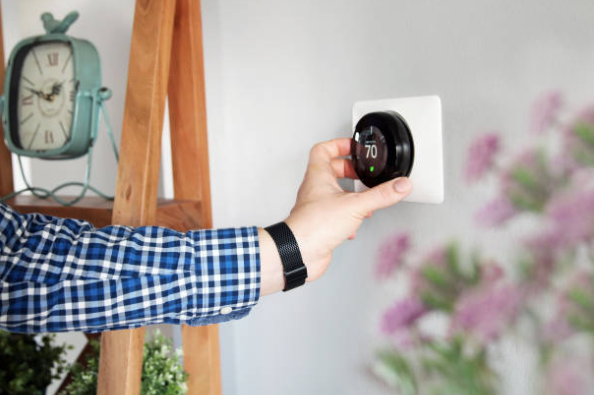
The thermostat is the command center of your HVAC system. It measures the indoor temperature and sends signals that tell your system when to start and stop heating or cooling. If that measurement is off by even a few degrees, your comfort and energy use can suffer.
When the thermostat detects a temperature difference between your setting and the room, it tells the system to run. Once the desired temperature is reached, it signals the system to shut off. This simple process affects how long your equipment runs, how often it cycles, and how evenly your home stays conditioned.
Accurate readings help your system operate efficiently, while inaccurate readings can cause unnecessary runtime, uneven temperatures, and higher utility bills.
4 Signs Your Current Thermostat Is Limiting Performance
Many homeowners experience HVAC issues without realizing the thermostat is part of the problem. These are some of the most common signs.
1. Inconsistent Indoor Temperatures
If one room feels comfortable while another is too warm or too cold, the thermostat may not be reading the space accurately. Poor placement, aging sensors, or outdated technology can all cause temperature mismatches that lead to discomfort throughout the home.
2. Higher Energy Bills Without Lifestyle Changes
When energy bills rise despite no major changes in how you use your home, the thermostat may be contributing. Inaccurate temperature readings can cause your system to run longer than needed, leading to higher energy consumption without better comfort.
3. Short Cycling or Systems Running Too Long
Short cycling happens when the system turns on and off too frequently. Running too long happens when it struggles to reach the set temperature. Both issues can stem from thermostat inaccuracies and both can put unnecessary wear on HVAC components.
4. Limited Controls and Outdated Features
Manual thermostats and older programmable models often lack scheduling flexibility and precision. Without the ability to adjust temperatures automatically based on your daily routine, your system may heat or cool when it is not needed.
Types of Thermostats and How They Affect Performance
Not all thermostats offer the same level of control or efficiency. Understanding the differences helps set realistic expectations.
Manual Thermostats
Manual thermostats are the most basic option. You set the temperature and adjust it by hand as needed. While they are simple and reliable, they offer no scheduling or efficiency features. Comfort and energy savings depend entirely on how often you remember to make adjustments.
Programmable Thermostats
Programmable thermostats allow you to schedule temperature changes throughout the day. This helps reduce heating and cooling when you are away or asleep. When used correctly, these thermostats can improve efficiency and maintain comfort without constant manual adjustments.
Smart Thermostats
Smart thermostats take control a step further. They can learn your habits, adjust temperatures automatically, and allow remote access through a phone or tablet. Many provide energy usage reports that help you understand how your system operates. Compatibility with your HVAC system is important, which is why professional evaluation often matters before installation.
How a New Thermostat Can Improve Energy Efficiency
A new thermostat improves efficiency by reducing unnecessary heating and cooling. Scheduling allows your system to run less when comfort is not critical. More accurate temperature sensing prevents overcooling or overheating. Smarter controls help the system respond more precisely to real conditions inside the home.
In U.S. households, heating and cooling account for a large portion of energy use. Even small improvements in control can translate into noticeable savings over time.
While results vary based on usage habits and system condition, improved temperature management often leads to lower energy waste and more predictable utility costs.
Comfort Improvements Homeowners Commonly Notice
Homeowners who upgrade their thermostat often notice changes quickly. Temperatures feel steadier throughout the day. The system responds more smoothly instead of running in long or frequent cycles. Adjustments become easier and less frequent, especially with scheduling or smart controls.
During extreme weather, better thermostat performance can make a big difference. Instead of constant manual tweaks, your system maintains comfort with less effort. This creates a more consistent indoor environment without the frustration of uneven temperatures.
When a New Thermostat Will Not Solve the Problem
While thermostats play an important role, they are not a cure for every HVAC issue. Aging equipment, airflow restrictions, duct problems, or improper system sizing can all affect comfort and efficiency. In these cases, replacing the thermostat alone may not deliver meaningful results.
If your system struggles to heat or cool regardless of settings, the underlying issue likely goes deeper than temperature control. Understanding these limits helps avoid disappointment and encourages a more complete evaluation when needed.
When to Call an HVAC Professional
Professional evaluation is important when upgrading a thermostat, especially if compatibility or wiring is a concern. Some systems require specific thermostat types to function correctly. Others may have hidden issues that become apparent during installation.
If you continue to experience comfort problems, short cycling, or unexplained energy costs, a professional inspection can help identify whether the thermostat, the HVAC system, or another component is responsible.
Warren Mechanical works with homeowners to evaluate thermostat options and ensure proper installation so the system performs as intended.
Customer Story: How a Thermostat Upgrade Improved Comfort and Lowered Energy Bills
A homeowner in the Georgetown area contacted Warren Mechanical after dealing with uneven temperatures and rising energy bills. The system itself was in good condition, but the thermostat was outdated and no longer reading temperatures accurately.
After evaluating compatibility and usage habits, the thermostat was replaced with a modern programmable model. Once installed and properly set up, the homeowner noticed steadier temperatures and fewer long system cycles.
Energy usage stabilized, and comfort improved throughout the home. This situation highlighted how a small upgrade can make a meaningful difference when the thermostat is the limiting factor.
Wrapping Up;
A new thermostat can make a real difference when comfort issues, efficiency problems, or outdated controls are holding your system back. Accurate temperature readings, better scheduling, and improved system communication all contribute to better performance.
At the same time, it is important to recognize when deeper HVAC issues need attention. If you are unsure whether a thermostat upgrade is right for your home, Warren Mechanical can help evaluate your system and recommend the right solution.
Call us today or visit their HVAC services page to schedule an evaluation and take the next step toward a more comfortable home.
Frequently Asked Questions
Is a smart thermostat worth it for older HVAC systems?
A smart thermostat can be worth it for older HVAC systems, but compatibility matters. Some older systems need specific wiring or controls. A professional evaluation helps confirm whether a smart thermostat will function properly and deliver real comfort or efficiency benefits.
Can a new thermostat lower my energy bill?
A new thermostat can help lower energy bills by improving temperature accuracy and reducing unnecessary system runtime. Features like scheduling and better control prevent overcooling or overheating, which often leads to wasted energy and higher monthly costs.
How long does it take to install a new thermostat?
Most thermostat installations take about thirty to sixty minutes when wiring and system compatibility are straightforward. More complex systems or wiring upgrades may take longer, which is why professional installation helps ensure everything functions correctly from the start.
Do all thermostats work with every HVAC system?
Not all thermostats work with every HVAC system. Differences in wiring, system type, and control requirements can affect compatibility. Using the wrong thermostat may cause performance issues, so matching the thermostat to the system is important for proper operation.